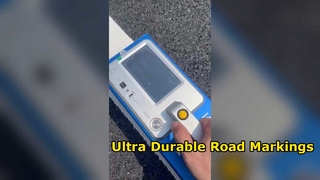
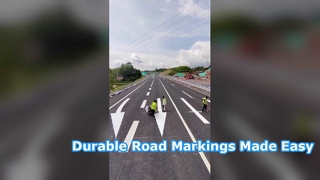
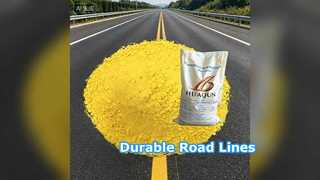
Thermoplastic road marking powder paint for road marking

Other Videos
November 18, 2025
Category Connection: Thermoplastic Road Marking Paint
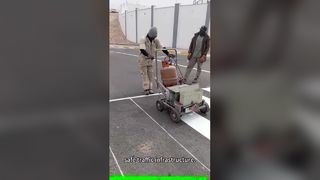
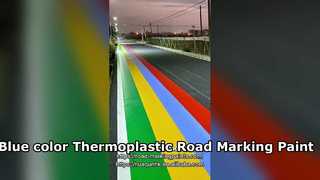
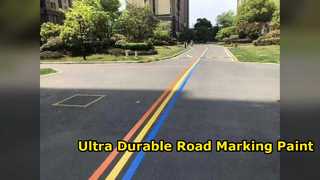
Brief: See how this offering can bring practical value to common tasks and projects. In this video, we demonstrate the application and performance of Africa's hot-selling thermoplastic road marking paint. You'll learn about its quick-drying properties, durability under heavy traffic, and how it meets international standards for visibility and safety.
Related Product Features:
  • Thermoplastic road marking paint is a durable, reflective material designed for high-traffic roads and highways.
  • It is available in powder form with common colors including white and yellow.
  • The main material is C5 petroleum resin, ensuring strong adhesion and weather resistance.
  • It has a quick construction temperature range of 180-220°C and dries within 3 minutes.
  • One ton of this paint can cover over 200 square meters, offering high coverage efficiency.
  • It is packaged in 25kg bags and has a storage life of one year in dry, well-ventilated conditions.
  • The paint complies with standards like AASHTO M249 and BS 3262-1:1989 for reflectivity and material requirements.
  • It provides long-lasting performance, potentially up to 10 times longer than traditional paint, reducing maintenance costs.
FAQs:
  • How quickly does the thermoplastic road marking paint dry?
    The thermoplastic paint dries very quickly, typically within 3 minutes after application, which helps minimize traffic disruption.
  • What are the main advantages of using thermoplastic paint for road markings?
    Key advantages include exceptional durability and longevity (up to 10 times longer than traditional paint), high visibility day and night, resistance to weather and fading, quick drying time, and long-term cost-effectiveness due to reduced maintenance.
  • Does this thermoplastic paint meet international standards?
    Yes, this thermoplastic road marking paint complies with various international standards, including AASHTO M249 for reflectivity and BS 3262-1:1989 for material requirements, ensuring quality and safety for road applications.
Related Videos