HUA QUN THERMOPLASTIC PAINT

Other Videos
December 17, 2025
Category Connection: Thermoplastic Road Marking Paint
Brief: Want to know how thermoplastic road marking paint is applied for long-lasting results? This video walks you through the complete process, from heating the powder material to application using specialized road marking machines. You'll see how glass beads are embedded for enhanced reflectivity and learn why proper surface preparation and temperature control are crucial for optimal adhesion and performance.
Related Product Features:
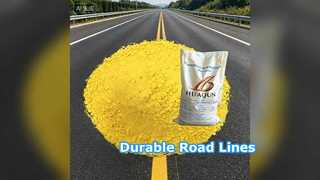
  • Thermoplastic road marking paint is supplied as a powder for easy handling and melting.
  • Available in standard colors like white and yellow for clear traffic guidance.
  • Formulated with C5 petroleum resin for strong adhesion and weather resistance.
  • Applied at a construction temperature between 180°C and 220°C for optimal flow.
  • Dries rapidly within 3 minutes to minimize traffic disruption during road work.
  • Offers high coverage with 1 ton covering over 200 square meters efficiently.
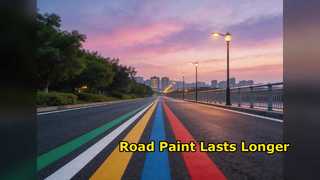
  • Provides excellent durability, lasting up to 10 times longer than traditional paint.
  • Supports OEM services including custom packaging and private labeling options.
FAQs:
  • What is the application process for thermoplastic road marking paint?
    The paint is heated to 180-220°C in a preheater until melted, then applied via a road marking machine. Glass beads are dropped onto the hot paint for reflectivity, and it cools and hardens within minutes, requiring proper surface cleaning and temperature control for strong adhesion.
  • How durable is thermoplastic road marking paint compared to traditional options?
    Thermoplastic markings are highly durable and can last up to 10 times longer than traditional paint, reducing maintenance frequency and long-term costs due to their resistance to fading and weather conditions.
  • What are the key advantages of using thermoplastic powder for road markings?
    Key advantages include high durability and longevity, excellent daytime and nighttime visibility with glass beads, resistance to sunlight and temperature variations, quick drying within minutes, and long-term cost-effectiveness despite a higher initial investment.
Related Videos